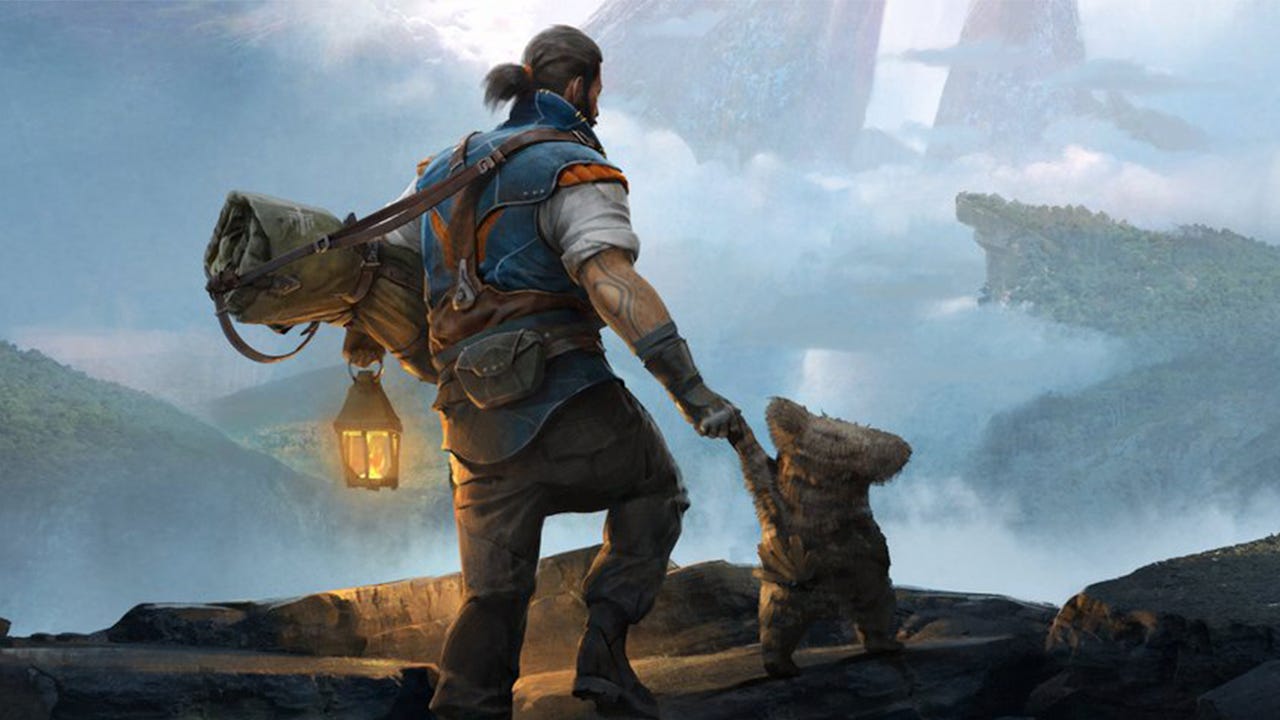
Highguard Shuts Down: Online Shooter Goes Offline Just 45 Days After Launch
In a striking illustration of the challenges facing the fiercely competitive online gaming landscape, the multiplayer shooter Highguard is officially shutting down its servers. Developed by Wildlight Entertainment, the game will go permanently highguard offline on March 12, 2026, a mere 45 days after its much-anticipated, albeit controversial, launch. This rapid demise serves as a stark reminder that even with passionate development and a free-to-play model, building a sustainable player base is an increasingly difficult feat in today's saturated market.
The news, while somber, has been brewing for some time, signaling an unfortunate inevitability for a title that struggled to find its footing from the outset. Wildlight Entertainment delivered the difficult announcement, citing an inability to cultivate the long-term community necessary to sustain the game. For the millions of players who briefly stepped into Highguard's world, and the dedicated team behind it, this marks an abrupt end to what could have been.
A Swift, Unfortunate End: The Highguard Offline Announcement
The official word came directly from Wildlight Entertainment, confirming the permanent shutdown of Highguard on March 12. In a heartfelt message shared with their community, the developers expressed profound gratitude for the players who engaged with the game. "Today we’re sharing difficult news. We have made the decision to permanently shut down Highguard on March 12," the statement read. "Since launch, more than 2 million players stepped into Highguard’s world. You shared feedback, created content, and many believed in what we were building. For that, we are deeply grateful."
Despite this initial outreach and evident player interest, the core issue remained: "Despite the passion and hard work of our team, we have not been able to build a sustainable player base to support the game long term." This candid admission underscores a critical metric for any online game – player retention. While attracting initial curiosity is important, the true test lies in converting those initial impressions into a loyal, active community. The fact that Highguard will be officially highguard offline within seven weeks of its debut speaks volumes about the speed with which player interest can wane if core engagement isn't solidified.
For those still wishing to experience the game one last time, Wildlight Entertainment confirmed that servers will remain active until the March 12 deadline. This final window offers a bittersweet opportunity for players to dive back into the 3v3 multiplayer action, perhaps to bid farewell or simply enjoy the unique elements they initially found appealing.
A Troubled Genesis: From Announcement to Launch
Highguard's journey was turbulent right from its public unveiling. First announced at The Game Awards 2025, the multiplayer shooter was met with a notably lukewarm reception. Initial previews and trailers failed to ignite significant hype, leading many fans and critics to quickly dismiss the title. In an industry driven by hype cycles and viral moments, a weak first impression can be incredibly difficult to overcome.
The game eventually launched as a free-to-play title in January 2026, a strategy often employed to lower the barrier to entry and attract a large initial audience. And for a brief period, it seemed to work. Highguard did manage to secure a decent start, achieving a peak of 97,249 concurrent players on Steam. This initial surge demonstrated that there was indeed an appetite for new online shooters, and some players found genuine merit in its gameplay loop. However, this promising beginning quickly faltered.
The initial buzz surrounding Highguard dissipated rapidly amidst growing online backlash. Player numbers plummeted sharply as the game struggled to retain its audience. While the developers diligently released numerous patches in an attempt to address feedback and shore up weaknesses – including criticisms that the game simply "didn't have enough to it" – these efforts ultimately proved insufficient. The "controversial launch" tag stemmed not only from the initial lukewarm reception but also from the swift decline in player engagement, setting the stage for the inevitable decision to go highguard offline.
The Paradoxical Farewell: A Final Update for a Dying Game
Perhaps the most unexpected twist in Highguard's short story is Wildlight Entertainment's decision to release one final, significant game update just days before the shutdown. This farewell patch includes a host of new content: a new Warden character, a new weapon, the introduction of account level progression, and comprehensive skill trees. Full patch notes were promised, aiming for release just days before the March 12 shutdown.
This move has elicited a mixed reaction from the community. Many players expressed confusion and even frustration over the logic of introducing substantial new content for a game that will only remain live for a little over a week. Why invest development resources into features that will have such a limited lifespan? Some saw it as a poignant, albeit futile, gesture of goodwill and a final thank you to the loyal players who stuck around. It's a developer's final bow, an opportunity to demonstrate the passion and vision that was always intended for the game, even if circumstances prevented its full realization.
For those dedicated players, this final update offers a last chance to experience a glimpse of what Highguard could have become, injecting fresh gameplay elements into the remaining days. If you're curious about the specifics of this swan song content, you can delve deeper into Highguard's Final Patch: New Warden, Weapons & More Before March 12 Shutdown.
What Lessons Can Be Learned from Highguard Going Offline?
The rapid shutdown of Highguard offers valuable insights for both developers and players in the competitive online gaming sphere. It's a stark reminder of several critical factors that determine success or failure:
- First Impressions Are Paramount: The initial "lukewarm reception" at The Game Awards foreshadowed future struggles. In a crowded market, games need to captivate audiences immediately with a clear vision and compelling gameplay loop.
- Player Retention Over Raw Numbers: While 2 million players stepped in, and nearly 100,000 peaked on Steam, these numbers meant little without sustained engagement. The transition from free-to-play acquisition to long-term monetization and community building is a massive hurdle.
- Content Depth Matters from Day One: Addressing early complaints about "not enough to it" after launch is often too late. Players expect a rich, engaging experience with clear progression paths and variety from the moment they download.
- Community Feedback is a Double-Edged Sword: While essential, rapid patching in response to negative feedback can sometimes feel reactive rather than proactive, indicating a lack of a clear post-launch content roadmap.
- Market Saturation is Real: The online shooter genre is incredibly competitive, dominated by titans like Fortnite, Apex Legends, Valorant, and Call of Duty. New entrants need a truly unique selling proposition and flawless execution to carve out a niche.
For developers, the story of Highguard emphasizes the importance of extensive pre-launch testing, robust content roadmaps, and deeply understanding player psychology regarding long-term engagement. For players, it's a cautionary tale about investing too heavily, too soon, in new online titles. While free-to-play offers a low barrier, the risk of a game going highguard offline remains significant, potentially leaving players with unspent currency or abandoned progression.
To gain a deeper understanding of the factors contributing to this rapid closure, explore our analysis in Highguard Offline: Analyzing Why Wildlight's Shooter Failed So Quickly.
The journey of Highguard, from a highly anticipated announcement to its shutdown just 45 days after launch, serves as a powerful, albeit unfortunate, case study in the modern gaming industry. It highlights the immense pressure on new online multiplayer titles to not only attract but, crucially, retain a sustainable player base. As Wildlight Entertainment prepares to pull the plug on March 12, the closure of Highguard will undoubtedly spark further conversations about market saturation, development strategies, and the ever-evolving expectations of the global gaming community.